Free Vintage Crochet Patterns: Where to Find and How to Read
Find free public-domain vintage crochet patterns, understand old crochet terms and thread sizes, and adapt 1900s edgings, doilies and shawls to modern yarn.
By Ayoub Farid · · 3 min read
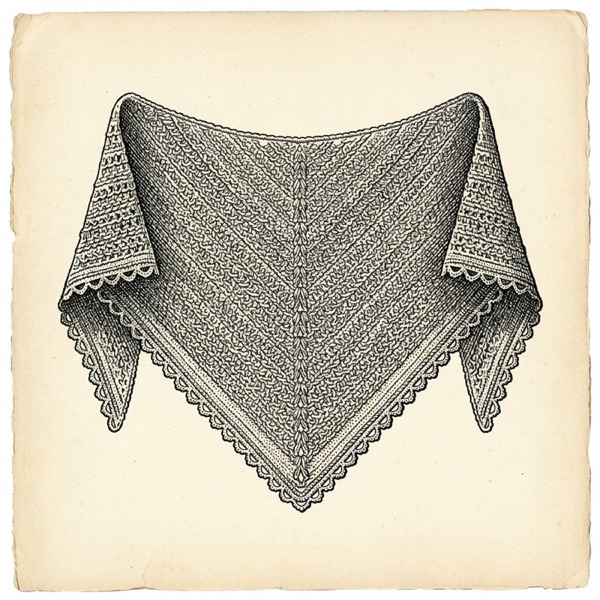
Old needlework books are full of beautiful crochet: lace edgings, doilies, baby bonnets, shawls and slippers, often with engraved illustrations that are works of art in themselves. Many of these books are now in the public domain, which means the patterns are free to use, share and make.
The catch: vintage crochet patterns are written in a language that's a century old. This guide shows where to find them and how to read them without frustration.
Why vintage crochet patterns are worth it
- They're genuinely free, with no copyright holder, so you can make and even sell the items.
- The designs are timeless. Lace edgings and doilies from the 1910s look right at home on modern linen and denim.
- They teach technique. Old patterns assume you can count and think, and working through one is a crash course in reading crochet.
Where to find public-domain crochet patterns
Digital libraries
Online libraries such as Project Gutenberg, the Internet Archive and many university and museum collections have scanned needlework books and leaflets from the late 1800s and early 1900s. Search for "crochet" plus words like "edgings", "insertions", "doilies" or the name of a publisher.
Which patterns are public domain?
In the United States, works published in 1930 or earlier are now in the public domain (as of 2026). Rules differ in other countries, often depending on when the author died. When in doubt, stick to clearly old material and check the publication date.
Curated collections
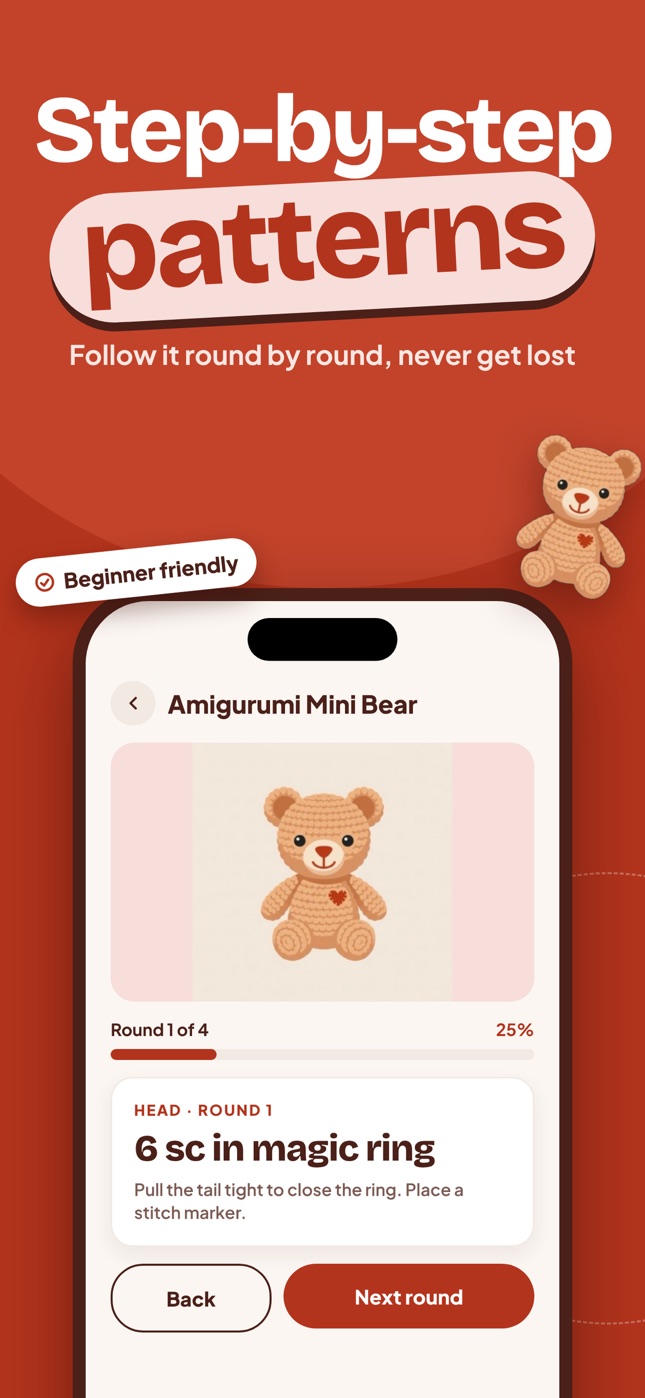
Sorting through scanned books takes time, and OCR text is often garbled. HookWise includes a set of transcribed public-domain vintage patterns (edgings, insertions, shawls, slippers, pillows and baby items) with their original engraved plates, split into rounds you can follow step by step. Filter the library by "Vintage" to find them.
How to read old crochet patterns
1. Old stitch names don't mean what you think
This is the big one. In many 19th-century patterns, especially British ones, "single crochet" meant what we now call a slip stitch, and "double crochet" meant today's US single crochet. Twentieth-century American patterns generally use the same names as today, but always check:
- Look for a stitch key at the start of the book.
- Compare the stitch heights with the illustration. Tall, open lace is made with tall stitches.
- If a "single crochet" row looks like it should be almost invisible, it's probably a slip stitch.
For modern term differences, see US vs UK crochet terms.
2. They assume you know the basics
Expect less hand-holding: no stitch counts at the end of rows, "proceed as before" instead of repeated instructions, and few photos. Count your stitches after every row and pencil the totals into the margin.
3. Thread, not yarn
Most vintage lace was worked in fine cotton thread with steel hooks, which use their own numbering: the higher the number, the smaller the hook. To make the same design bigger and quicker, you can switch to a sport or DK cotton with a regular hook. The result will be larger but just as lovely.
4. Gauge was rarely given
Since sizes weren't standardized, make a small sample of the first few rows, measure it and decide whether you need a finer or heavier thread.
Easy vintage patterns to start with
- Edgings. Narrow lace borders worked in short rows: a perfect first vintage pattern.
- Face cloths and towel insertions. Simple repeats in cotton.
- Small doilies. Worked in rounds, great practice for reading round-by-round instructions. See how to read crochet patterns.
- Baby bonnets and slippers. Quick and charming, if you're comfortable with shaping.
Frequently asked questions
Are vintage crochet patterns really free to use?
Patterns that are in the public domain are free to use, copy and make, including for items you sell. In the United States this generally includes works published in 1930 or earlier; other countries have different rules.
Why does my vintage pattern use "single crochet" for a slip stitch?
Stitch names changed over time. Many 19th-century patterns called the slip stitch "single crochet". Check the book's stitch key and compare with the illustration.
Can I make vintage thread patterns with regular yarn?
Yes. Use a thicker cotton and a matching hook; the design will come out larger but the stitch pattern stays the same. Make a small test piece first.
Where can I find vintage crochet patterns in an app?
HookWise includes transcribed public-domain vintage patterns with their original illustrations, split into rounds. Filter the library by "Vintage" to browse them for free.
Crochet with a coach in your pocket
Learn to crochet with HookWise
94 step-by-step patterns that save your place, AI stitch & yarn identification from one photo, and an AI helper for when you get stuck. Free to download on iPhone.
Free on iPhoneDownload on the App Store