How to Identify Yarn Weight and Fiber (No Label Needed)
Lost the label? Identify yarn weight with wraps per inch and a test swatch, and yarn fiber with the feel, stretch and burn tests. Includes a WPI chart.
By Ayoub Farid · · 4 min read
Every crocheter eventually ends up with a mystery skein: a gift from a relative's stash, a thrift store find, or a ball whose label went missing years ago. Before you can match it to a pattern, you need two facts: its weight (thickness) and its fiber (what it's made of).
You can get surprisingly close with a ruler, a hook, a lighter and five minutes. Here's how.
Step 1: Identify the yarn weight
Yarn "weight" means thickness, not grams. Patterns ask for a weight category like DK or worsted. Our yarn weight chart explains each one; here's how to find which one you have.
The wraps per inch (WPI) test
- Take a pencil, ruler or WPI tool.
- Wrap the yarn around it snugly but without stretching, each wrap touching the previous one, no overlapping.
- Count how many wraps fit in 1 inch (2.5 cm).
- Compare with the table below. Do it in two or three places and average the result.
| Wraps per inch | Likely weight | Standard number |
|---|---|---|
| 30+ | Lace / thread | 0 |
| about 19–22 | Fingering / sock | 1 |
| about 15–18 | Sport | 2 |
| about 12–14 | DK / light worsted | 3 |
| about 9–11 | Worsted / aran | 4 |
| about 7–8 | Bulky / chunky | 5 |
| about 5–6 | Super bulky | 6 |
| 4 or fewer | Jumbo | 7 |
Ranges vary slightly between sources and between yarns, especially fluffy ones. Use WPI to get into the right neighborhood, then confirm with a swatch.
The swatch test
Crochet a 15 × 15 cm (6 × 6 in) square in single crochet with a hook that makes a fabric you like: not stiff, not holey. Then count the stitches across the middle 10 cm (4 in). Compare with the gauge ranges in the yarn weight chart. This also tells you which hook to use, which is the information you actually need.
Compare with a known yarn
If you have a labelled skein of worsted weight, hold the two strands side by side. Thickness differences between neighboring weights (DK vs worsted) are easy to see this way.
Step 2: Identify the fiber
Feel and look
- Wool: springy, slightly fuzzy, warm to the touch, bounces back after you squeeze it.
- Acrylic: soft, sometimes slightly squeaky, can look shiny; very even color.
- Cotton: cool, smooth, matte, no stretch, heavier for its size.
- Linen: crisp and slightly stiff at first, with a natural slub (uneven thickness).
- Silk and bamboo/viscose: drapey, cool and noticeably shiny.
- Mohair and alpaca: a halo of fine fibers; alpaca feels heavier and silkier than wool.
The stretch test
Pull a 10 cm length gently. Wool stretches and springs back; cotton and linen barely stretch at all; acrylic stretches a little, then recovers more slowly than wool.
The burn test (with care)
The burn test is the most reliable home method for telling animal, plant and synthetic fibers apart. Do it safely:
- Use a short snippet (5 cm / 2 in), held with metal tweezers.
- Work over a sink or outdoors, away from anything flammable, with water nearby.
- Never do this with children helping, and never hold the snippet in your fingers.
| Fiber | How it burns | Smell | What's left |
|---|---|---|---|
| Wool / animal | Slowly, tends to self-extinguish | Burning hair | Crumbly dark ash |
| Cotton / linen / bamboo | Quickly, with an afterglow | Burning paper | Soft gray ash |
| Acrylic / polyester / nylon | Melts and shrinks from the flame | Chemical, plastic | Hard bead that doesn't crush |
Blends give mixed results: a wool/acrylic blend burns like wool but leaves some hard beads.
Step 3: Decide what to make with it
Once you know the weight and fiber, choose a project that suits them:
- Cotton: dishcloths, coasters, market bags, summer tops. See our coaster patterns.
- Wool: hats, scarves, mittens, anything warm. Try a simple beanie.
- Acrylic: blankets, amigurumi, kids' items that need machine washing.
Try it in HookWise
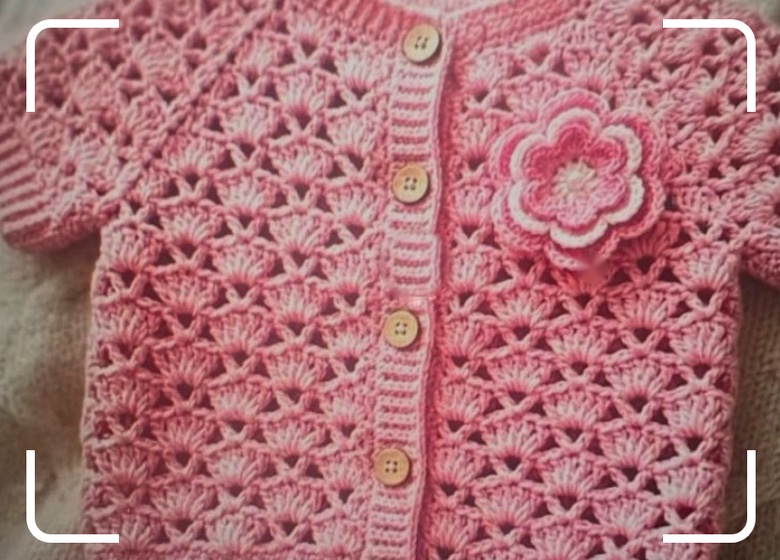
HookWise's scanner estimates yarn weight and fiber, and suggests a hook size, from one photo of the yarn or a finished piece. It's a fast first answer when you're sorting a stash; for an important project, confirm it with a WPI check and a swatch as above.
Frequently asked questions
How do I know what weight my yarn is without a label?
Wrap it around a ruler and count wraps per inch (WPI), then compare with a WPI chart. About 12–14 WPI is usually DK, and about 9–11 is usually worsted. Confirm with a test swatch.
Is it safe to do a yarn burn test?
It's safe if you use a small snippet held with metal tweezers, over a sink or outdoors, away from flammable materials and with water nearby. Synthetic fibers melt and can drip, so never hold the yarn in your fingers.
Can I mix two yarns of different weights in one project?
It's possible but tricky: stitch size and drape change, so the fabric will be uneven. Hold a thinner yarn double to approximate a heavier weight, and always swatch first.
What is the difference between DK and worsted?
DK (weight 3) is a little thinner than worsted (weight 4). DK suits baby clothes and lighter garments; worsted is the classic all-round yarn for blankets, hats and beginner projects.
Crochet with a coach in your pocket
Learn to crochet with HookWise
94 step-by-step patterns that save your place, AI stitch & yarn identification from one photo, and an AI helper for when you get stuck. Free to download on iPhone.
Free on iPhoneDownload on the App Store